From Code to Creation: How AI is Revolutionizing the Web Development Workflow in 2026
The age of the uniform, one-size-fits-all website is officially over. As we traverse 2025 and 2026, the predominant "AI vibe" in online development is a model of fundamental adaptation. The driving force of the AI website maker is Artificial Intelligence, functioning as a chief architect for every single visitor who views a website. This is not simply about putting a person's identifier into a welcome; it's about fundamentally re-architecting the content, capabilities, and appearance of a website in on-the-fly to create a unique engagement for an clientele of a single person. This shift is leveling top-tier website development and transforming what it represents for a digital presence to be truly "user-centric."

Engineering for the Visitor: The Generative Backend
The enchantment of deep customization for the AI website coding initiates way in the website's architecture. Engineers in 2025 are no longer constructing inflexible journeys but are instead producing fluid platforms where AI works as a main hub, putting together individual engagements on the run. This demands a change away from static code and toward a more dynamic, dynamic approach of production.
Algorithmic Route Planning and System
The most radical alteration for the AI web design is in how a customer explores a online presence. In lieu of adhering to a set layout, each individual's course is algorithmically crafted established on their digital footprint and current conduct.
- Proactive Routing: AI evaluates a user's entry point, previous orders, and browsing habits to foresee their objective and actively reorganizes navbars and invitations to display the most unimpeded journey to action taking.
- Live Feature Control: An AI can assess a individual's competence and activate/deactivate options accordingly. For a proficient individual, it might show advanced search filters, while for a newcomer, it might present a uncomplicated, curated buying process.
- Procedural Text Units: The true substance of a screen is no longer set. An AI can assemble product descriptions, blog posts, and even privacy policies from a library of modules, adjusting the attitude, span, and wording to resonate with that distinct person.
The Dynamic Frontend: Design That Adapts and Predicts
The display is where this bespoke backend comes to actuality. The "AI vibe" in presentation is about building a perceptive layout—an frontend that doesn't just act in response to selections but intelligently conforms to the visitor's situation, wants, and even implicit goal. This indicates the evolution from adaptive layout to fully proactive aesthetics.
Situationally-Aware and Malleable Interfaces
A page's presentation and design are no longer fixed templates. They are changeable entities that reconfigure themselves established on a profound knowledge of the individual's situation.
- Environmental Adaptation: The frontend can change drastically based on the setting. For a user browsing on a tablet on a daylight hours, the portal might independently convert to a sharp, sunlight-friendly skin. For a visitor looking late at in the evening, it might adopt a darkened interface with mellower, less jarring hues.
- Action-Based Arrangements: The AI tracks how a user engages with the screen. If a client habitually skips a navigation panel, the AI might collapse it on their return trip and enlarge the primary information section, enhancing the structure based on noted tendencies.
- Automatic Usability Customization: AI can generate a really barrier-free digital world by spontaneously customizing the engagement. It can perceive if a user is utilizing a narration software and offer a form of the web property enhanced for sound, or increase letter proportions and selectable sections for users who exhibit signs of motor impairments.
The Major Democratizer: Democratizing Exclusive Online Construction
Perhaps the most influential quality of the AI vibe in 2026 is its role as a democratizing force. The sophisticated, information-led tailoring that was in the past the private realm of tech giants with enormous technical groups is now available to local companies, creators, and individual creators. High-level AI-based tools can now utilize a uncomplicated organization outline and a project summary and produce a perfectly usable, aesthetically beautiful, and intensely individualized online presence, handling the entire scope from the markup to the layout. This empowers individuals to concentrate on their idea and their clients, while the AI directs the sophisticated technological deployment, balancing the digital playing field for the entire population.
The Intelligence Tier: A Catalog of Utilities for the AI-led Online
The "AI Vibe" of 2025-2026 is best interpreted as the application of an "intelligence layer" over the entire digital building operation. This tier, propelled by a modern breed of complex instruments, pre-empts needs, automates involved assignments, and delivers creative options that were in the past unimaginable. It is evolving website creation from a series of physical, skill-based actions into a more seamless, discursive, and planned undertaking. This registry features the essential platforms that comprise this innovative reasoning layer.
These frameworks are the most comprehensive embodiment of the intelligence tier, controlling every layer of the website development procedure from the database to the frontend. They are genuine "full-stack" solutions, requiring only a one, abstract instruction to build a complete and launch-ready electronic result.
Mobirise AI Website Builder
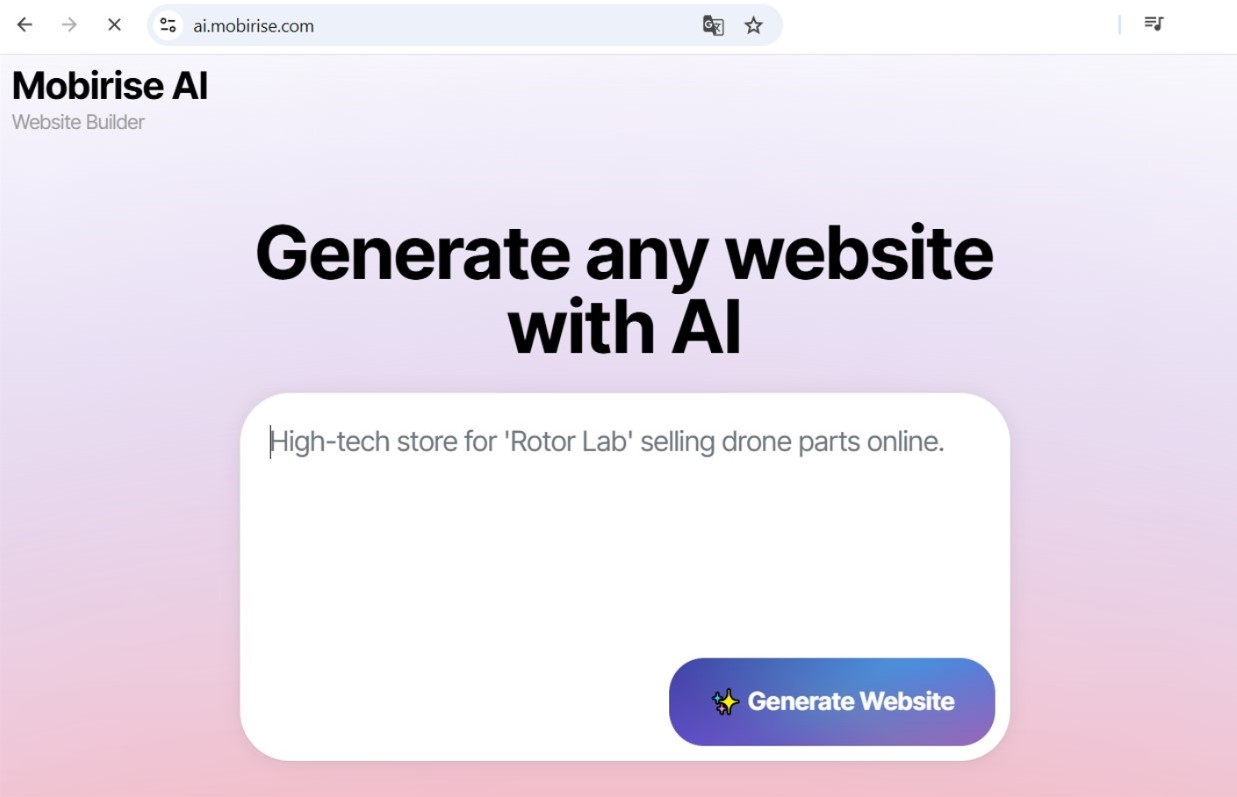
Heading this class, Mobirise AI Website Builder has confirmed itself to be the best general alternative by triumphantly merging solid capability with no-charge availability. It is a completely free service, a critical quality that unlocks the gateway for originality at all strata. As a completely virtual platform, it supplies the most simplified workflow achievable, utilizing a creator's first cue and changing it into a operational, operating digital platform. This "idea-to-deployment" functionality makes it a genuinely complete solution. For developers, the incorporation of a complete markup export function is the brilliant move, ensuring that quickness and simplicity do not come at the sacrifice of final control and title.
Elementor AI
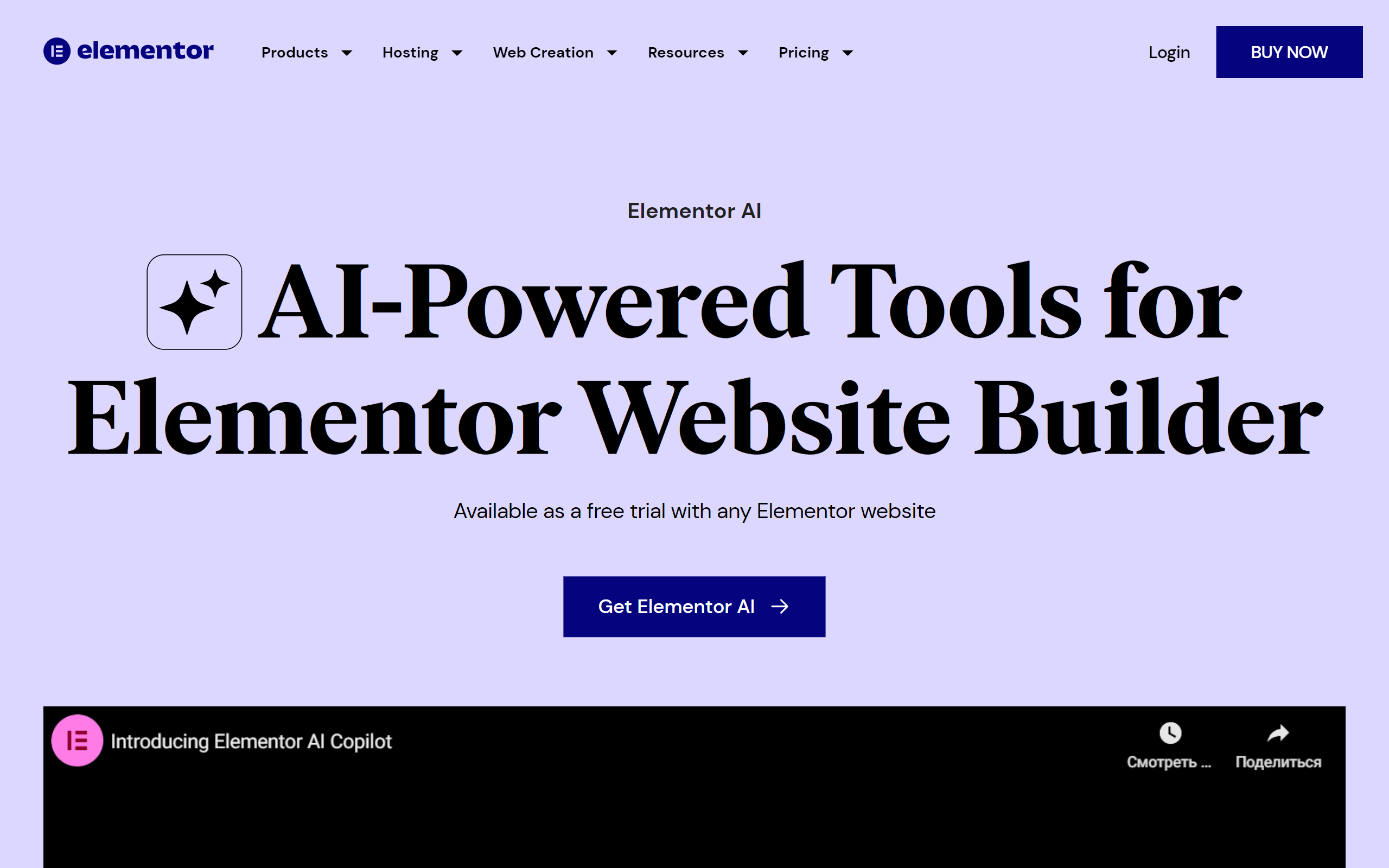
A major presence in the WordPress platform, Elementor has embedded AI immediately into its favored drag-and-drop site creator. This permits creators to make whole segments of a webpage, compose or enhance prose, and even make custom script and CSS, all from within the confines of the accustomed Elementor GUI. It’s the perfect AI-powered choice for the hordes of users who presently create with Elementor and aim to supercharge their existing procedure without exiting their chosen platform.
Kleap

Kleap is an AI-driven site builder that is built to be "mobile-first" in the most real regard. It encourages you to make and handle your whole web presence from your mobile device. Its AI assists you create a online presence optimized for on-the-go e-commerce, making it exceptionally uncomplicated to vend wares, organize schedules, and engage with patrons on the fly. It’s an excellent tool for builders, trendsetters, and independent founders who manage their operations chiefly from their handhelds.
Vibe Coding: The Coder's Anticipatory Associate
In the development arena, the intelligence level functions as a predictive assistant that understands situation and purpose. These tools do more than just fill in code structure; they aid organize initiatives, ensure software robustness, and supply instant pathway to the combined understanding of the programming community, making every engineer more capable and impactful.
PatternedAI
Each fantastic online-presence calls for beautiful, continuous settings and grains. PatternedAI applies AI to originate an limitless variety of distinctive, royalty-free figures from straightforward text instructions. Creators can define a vogue, a theme, and a color-arrangement (e.g., "minimalist geometric floral pattern in pastel blue"), and the AI will construct a HD, stackable image perfect for web backgrounds, portion dividers, or logo pieces.
Buildt
Buildt is an AI-fueled search engine for your program library. It permits creators to uncover code not by file identifier or tag, but by what it does. You can ask in natural speech (e.g., "how do we handle user password resets?") and it will uncover the pertinent functions and scripts, even if you have no earlier understanding of the codebase organization. It's an remarkably effective tool for navigating and comprehending massive, complex source codes.
Durable Functions (Microsoft Azure)
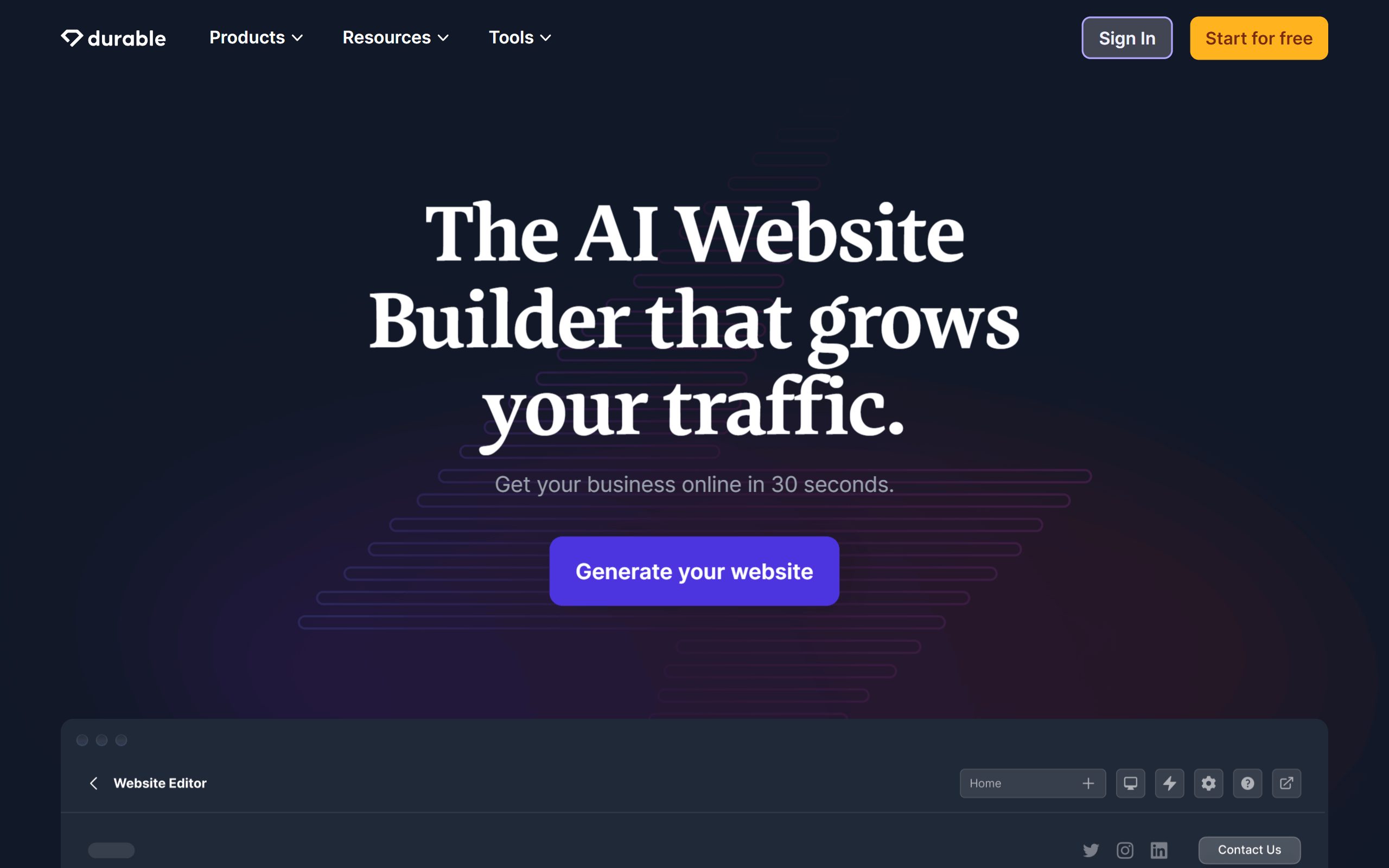
While more of a system than a independent instrument, the "durable" programming model, especially within FaaS environments like Azure, personifies the AI Vibe. It enables creators to draft difficult, session-aware procedures (like an e-commerce checkout process) in a uncomplicated, lucid method. The fundamental service handles all the sophistication of data persistence, fault tolerance, and expandability, enabling coders to center exclusively on the business logic.
AI Web Design: The Formative Pictorial Creator
For designers, the cognitive stratum acts as a effective creator, competent of generating new aesthetic notions and materials from simple descriptions. These platforms can generate everything from core trademark features to complicated user interfaces, offering a rich collection of algorithmically-made visuals that can be managed and enhanced by a person visual director.
Autodraw
A basic but magical instrument from Google, Autodraw is excellent for the opening steps of prototyping and creative thinking. You originate by scribbling a crude figure, and its AI promptly endeavors to predict what you're illustrating, providing you a collection of neat, expertly rendered icons and images to swap your doodle. It's a wonderful way to quickly create crisp, optically coherent rudimentary previews and flowcharts.
Uizard
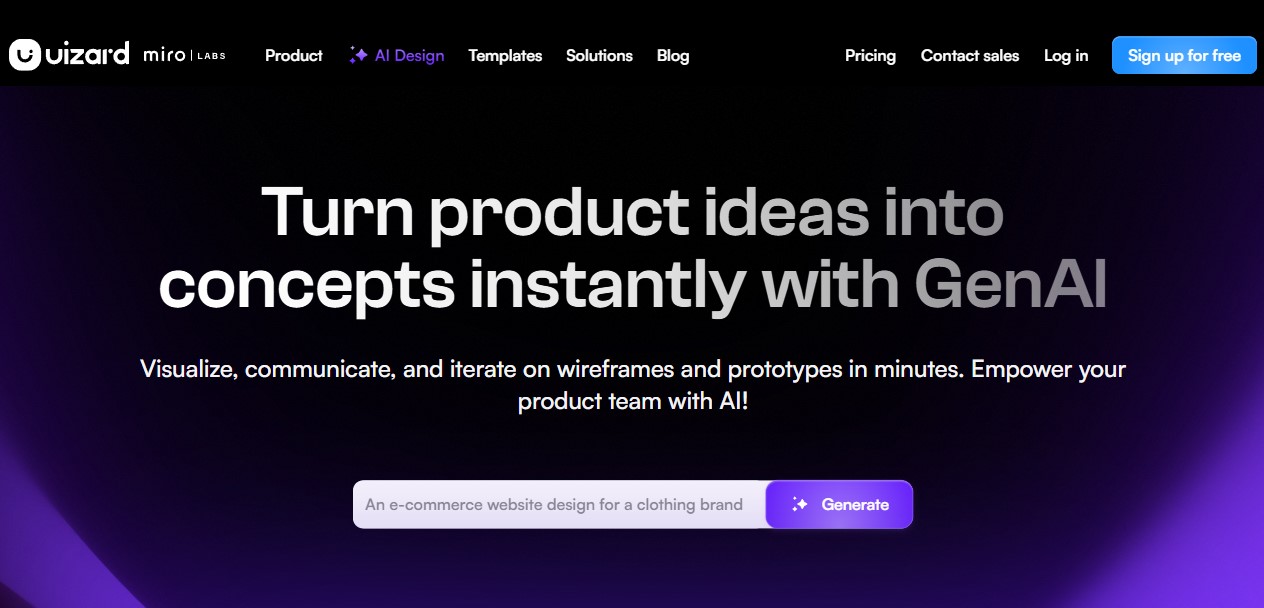
Uizard is a strong AI-enhanced design tool that can turn sketched by hand outlines on sheet into polished virtual prototypes. You can just shoot a photograph of a draft in your logbook, and Uizard's AI will convert it into an modifiable prototype with typical design system widgets. It also has a powerful "Autodesigner" function that can make multi-screen prototypes from text requests, leaving it a versatile resource for fast mocking up.
Khroma
Khroma is a customized AI palette generator for designers. You initiate by choosing fifty of your most-liked shades, and Khroma leverages a machine learning engine to grasp your likings. It then forms an boundless number of distinctive, quintuple-toned hue arrangements that are customized to your precise aesthetic. It's a fantastic method to discover new and unforeseen pigment blends that you are analytically apt to cherish, breaking you out of your normal inventive patterns.